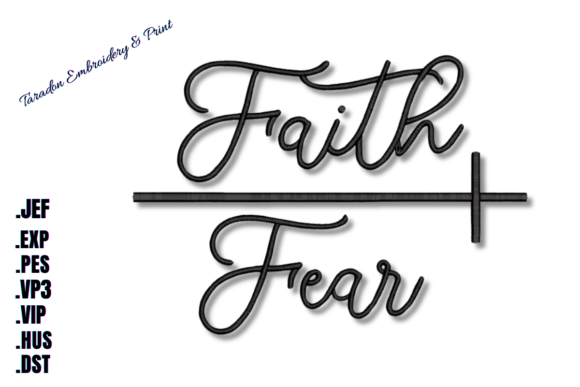
Faith Fear Machine Embroidery Design Review
As I set up my booth for the upcoming weekend craft fair, the table is a chaotic mix of fabrics, hoops, and half-finished projects. The goal is simple: identify which designs will stop a customer in their tracks and which will get lost in the shuffle. Today, I am putting the Faith Fear Machine Embroidery Design through its paces. This digital file from Taradon promises a powerful juxtaposition of "faith" and "fear" intertwined, and as an embroidery business owner, I need to know if it translates from a screen into a sellable handmade product.
First Impressions: Boldness Meets Elegance
When I first load the Faith Fear Machine Embroidery Design into my software, the aesthetic is immediately clear. It is not a cute, whimsical design meant for children's clothing, nor is it strictly rustic farmhouse style. Instead, it feels modern, elegant, and deeply meaningful. The interplay between the two words suggests a narrative that resonates with the current market trend of inspirational and spiritual decor. For a craft fair seller targeting adults looking for meaningful gifts or personal encouragement, this design hits the right emotional note. It has a premium feel that can elevate a simple tote bag or tea towel into a statement piece.
The visual weight of the design is balanced, making it versatile enough for various applications. However, the success of any machine embroidery design relies heavily on how well the text and imagery interact. In this case, the intertwining nature of the words requires careful attention to thread colors and fabric choice to ensure legibility and impact.
Evaluating Product Applications for Maximum Sales
Before I commit to batch production, I must determine where this design shines brightest. A digital embroidery file is only as good as the finished product it creates. Here is my breakdown of how the Faith Fear Machine Embroidery Design performs across different items:
- Tote Bags and Market Bags: These are staples for any handmade shop. Placing this design centrally on a sturdy canvas tote bag makes it an excellent conversation starter. The message is large enough to be read from a distance, which is crucial for booth traffic. However, I must ensure the fabric texture does not distort the fine details of the lettering.
- Tea Towels and Aprons: Kitchen textiles are high-volume sellers. An apron embroidery featuring this design adds a layer of personal faith to a functional item. Similarly, tea towel embroidery works well here, provided the stitch density is managed so the towel remains soft and absorbent. The contrast of dark thread on a light linen towel would be striking.
- Embroidered Patches: Creating patches allows for versatility. Customers can iron them onto denim jackets, hats, or bags. This is a great way to offer a lower-priced entry point for your brand while showcasing the Faith Fear Machine Embroidery Design clearly.
- Caps and Pillows: Curved surfaces like caps require a specific approach. The design must be sized correctly to avoid distortion on the cap panel. Pillow covers offer a larger canvas, allowing the design to breathe, but they are heavier to transport to a craft fair, so they should be reserved for higher-end displays.
Production Realities: Stitch Density and Fabric Choice
While the design looks stunning on a monitor, real-world production brings challenges. One of the most critical factors is stitch density. If the letters are too dense, the fabric may pucker, ruining the professional look of the finished product. Conversely, if the density is too low, the design may look sparse and cheap. I always recommend testing the design on scrap fabric first to gauge the tension and fill patterns.
Fabric texture plays a significant role here. On a thick, textured towel, tiny details within the intertwined letters might get lost. For such materials, I would opt for a slightly larger hoop size to allow the machine to pull the thread through without dragging. Using the right stabilizer is non-negotiable; a cutaway stabilizer is often best for durable goods like aprons and totes to prevent stretching over time.
Thread colors are another variable. To make the "Faith" and "Fear" distinction clear, I suggest using contrasting shades rather than monochromatic tones. A deep navy against cream or a bold burgundy on grey can create a sophisticated look that appeals to the Religion and inspirational gift market. However, avoid placing dark threads on dark fabrics unless you have a very high-quality underlay, as the design may lose clarity.
Selling Strategy: From Booth Display to Etsy Listings
For the craft fair booth, visibility is key. I plan to display a few finished samples prominently at eye level. A tote bag design hanging on a rack or a folded apron on a stand draws the eye. The message "Faith over Fear" is universally understood, reducing the need for lengthy explanations to potential buyers. This immediate connection increases buyer engagement and speeds up the sales process.
For online sales, particularly for Etsy sellers, photography is everything. The design must photograph well to convey quality in a printable mockup or actual product shot. Because the design features text, lighting must be even to avoid shadows obscuring the letters. High-resolution images showing the texture of the stitches build trust with customers who cannot touch the item.
This design also offers excellent potential for brand consistency. By using the same color palette and font style across different products—like matching pillow covers and pouches—you create a cohesive collection that encourages multiple purchases. As a small shop product, it fits perfectly into a curated inventory focused on meaningful, handmade goods.
Practical Designer Notes and Final Checklist
Before you rush to produce your inventory, keep these practical notes in mind to ensure success with the Faith Fear Machine Embroidery Design:
- Test Run: Always embroider a test sample on the exact fabric you intend to sell. Check for puckering, skipped stitches, or thread breakage.
- Hoop Size Verification: Confirm the required hoop size matches your machine capabilities. If the design is large, you may need to split it into sections, which can affect alignment.
- Licensing Check: Ensure you have the correct commercial license if you plan to sell the physical commercial embroidery items. Never assume a personal license covers sales.
- Detail Inspection: Zoom in on the smallest letters. If they are too small for your machine's needle, consider scaling the entire design up rather than risking illegible text.
- Mockup Creation: Create at least one real mockup for your marketing materials. Photos of actual stitched items convert better than generic computer renderings.
In conclusion, the Faith Fear Machine Embroidery Design is a strong contender for any embroidery business owner looking to expand their catalog with meaningful, high-value items. It balances artistic flair with practical application, making it suitable for everything from quick patches to substantial home decor. With careful attention to fabric selection, stabilizer use, and presentation, this design can become a standout seller at your next craft fair or online store. Just remember: the quality of your execution determines the perceived value of your handmade product.