Salamander Machine Embroidery Design Review
As a designer who has spent years navigating the delicate balance between digital files and physical thread, I approach every new machine embroidery design with a critical eye. The goal is never just to stitch something down; it is to create a finished product that feels intentional, durable, and valuable. Recently, I had the chance to evaluate the Salamander Machine Embroidery file for potential use in my upcoming fall collection. This piece sits firmly within the Reptiles category, offering a silhouette style that bridges the gap between whimsical nature art and bold graphic statement pieces. Before you download this file or commit to stitching it on a client order, let's break down exactly how this design performs in the real world.
First Impressions: Silhouette vs. Detail
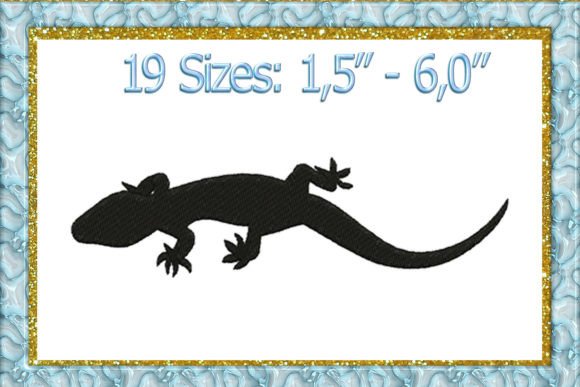
When I first opened the preview of the Salamander design, what struck me immediately was the confidence of its shape. Unlike intricate designs that rely on fine lines and complex gradients, this embroidery file leans heavily into a strong silhouette aesthetic. It captures the essence of a salamander or gecko without getting bogged down in microscopic scales. For a professional embroiderer, this is often a blessing. Silhouettes tend to stitch out faster, require less tension adjustment, and are significantly more forgiving when applied to textured fabrics like canvas tote bags or heavy cotton sweatshirts.
The visual personality here is modern and slightly edgy. It does not scream "nursery decor" in the traditional pastel sense, though it certainly has a place there if paired with the right color palette. Instead, it feels like a badge of identity—perfect for a custom apparel line targeting nature lovers, hikers, or those who appreciate the quirky side of wildlife. The layout is balanced, ensuring that the tail and limbs flow naturally without awkward gaps where fabric might show through unexpectedly.
Real-World Application: From File to Finished Product
To truly understand the value of the Salamander Machine Embroidery, I visualized it on a few specific products I have in my queue. Imagine a heavyweight, heather-grey crewneck sweatshirt. Placing this design on the left chest creates an instant focal point. Because the design relies on solid shapes rather than tiny details, it would likely utilize a combination of fill stitch for the body and perhaps a crisp running stitch or thin satin border for definition. This combination ensures the image pops against the fabric texture without feeling overly dense or stiff.
I also considered its potential as an embroidered patch. For small shop owners looking to sell patches, this silhouette is ideal. The clean edges mean the trimming process after cutting will be much easier, resulting in a cleaner edge for the customer. If you are an Etsy seller creating personalized gifts, this design works beautifully on denim jackets or canvas aprons. It transforms a standard garment into a unique, handmade item that carries a distinct story. The versatility of the digital embroidery file allows it to scale reasonably well, making it suitable for both large back prints and smaller accent placements.
Navigating Fabric Challenges and Hoop Constraints
While the Salamander design is robust, no embroidery project is without its challenges. As a reviewer, I must advise caution regarding specific applications. If you plan to use this on very thin or stretchy fabrics, such as jersey knit t-shirts, you will need to be meticulous about your stabilizer choice. A lightweight tear-away might not provide enough support for the fill areas, leading to puckering that ruins the smooth silhouette. In these cases, a cut-away stabilizer is non-negotiable to maintain the integrity of the finished product.
Another consideration is the hoop size. While the description mentions multiple formats, always verify the dimensions before starting. If you are working with a small hoop, ensure the design fits comfortably without forcing the machine to stretch the fabric excessively. Over-stretching can distort the lizard's shape, making the tail look unnatural or the head disproportionate. Additionally, if you are applying this to curved surfaces like caps, test the design on a scrap piece of similar material first. Curved surfaces change how the needle hits the fabric, which can alter the appearance of the stitch density and potentially cause skipped stitches in the tighter curves of the legs.
Color Theory and Visual Impact
The true magic of the Salamander Machine Embroidery lies in your choice of thread colors. Since it is a silhouette, it acts as a blank canvas for creativity. On a dark navy hoodie, using a vibrant neon green or electric orange thread would make the design glow, appealing to a younger demographic or streetwear enthusiasts. Conversely, stitching it in tonal shades—like olive green on a khaki shirt—creates a sophisticated, understated look perfect for boutique branding or high-end gift items.
For holiday projects, consider using seasonal palettes. A red and gold version could serve as a unique twist on traditional holiday embroidery, standing out among typical snowflakes and reindeer. However, remember that high contrast is key for visibility. Always review your design in black and white mockups before committing to expensive threads. This simple step helps you assess whether the design assets hold their shape visually without the distraction of color.
Professional Notes for Craft Business Owners
If you are running a craft business or planning to sell items featuring this design, there are practical steps you must take to protect your brand and ensure quality. First, always test the design on a scrap piece of the exact fabric you intend to use. Check the back of the stitching to ensure there are no loose threads or excessive jump stitches that could irritate the wearer. Second, confirm the licensing terms associated with the file. Just because you own the embroidery file does not automatically grant you the right to sell unlimited finished goods or redistribute the digital file itself.
Furthermore, pay attention to the stitch count relative to your production timeline. While silhouettes are generally quicker to stitch, complex fill patterns can still add up. If you are preparing for a craft fair or a rush order, calculate the time per item accurately. Finally, think about the longevity of the product. Designs with lower stitch density tend to withstand frequent washing better than overly dense ones, which can crack or pull over time. The Salamander design, with its balanced approach, seems well-suited for items that need to survive the wash cycle while maintaining their charm.
Final Verdict on Commercial Viability
In conclusion, the Salamander Machine Embroidery is a versatile asset for any serious embroiderer. It offers the clean lines necessary for professional commercial embroidery while retaining enough character to appeal to hobbyists and collectors alike. Whether you are decorating a baby blanket with a gentle colorway or creating a bold statement on a men's jacket, this design adapts to the mood you wish to convey. By respecting the fabric limitations, choosing the right stabilizer, and testing your color combinations, you can turn this digital file into a tangible product that customers will love and trust. It is a reminder that sometimes, the most powerful designs are the ones that know exactly when to stop adding detail and let the shape speak for itself.