Baseball Embroidery: A Designer's Business Review
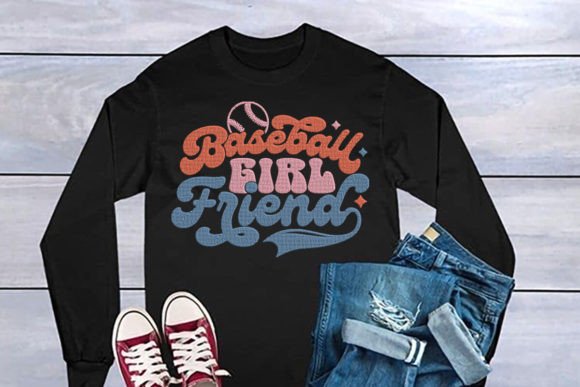
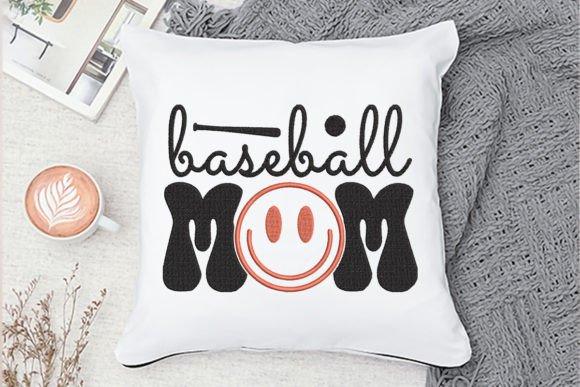
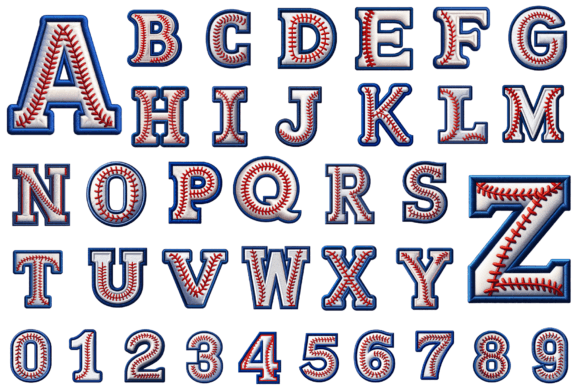
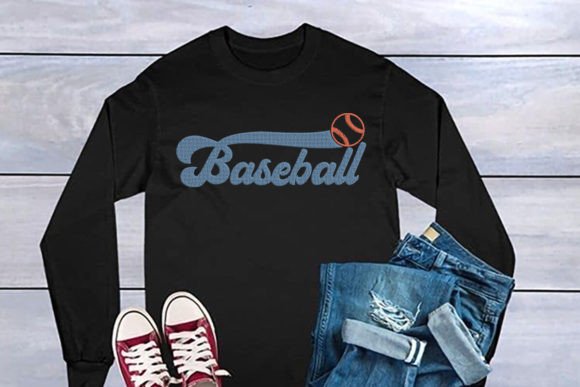
As a professional embroidery designer who has spent years refining machine embroidery design for commercial clients, I approach every new digital file with a critical eye. My focus is never just on how pretty a pattern looks on a screen, but on its viability for small business merch, branded patches, and durable apparel. Today, I am reviewing the Baseball Embroidery design to determine if it holds up under the rigorous demands of a production environment. This specific design promises to be a perfect choice for sports-related arts and crafts, offering a colorful look suitable for pillows, towels, bags, and home decor. However, before you download this embroidery file for your next client project or Etsy shop launch, let’s dissect its potential for professional application.
First Impressions: Visual Personality and Brand Fit
When I first opened the preview for Baseball Embroidery, the immediate feeling was one of classic playfulness mixed with a touch of nostalgia. The design leans heavily into a friendly, approachable aesthetic rather than a sleek, modern corporate look. For a boutique bakery, a local youth sports league, or a handmade craft brand, this vibe is often exactly what is needed to build customer trust and engagement. It feels less like a generic stock image and more like a curated asset that adds character to a finished product.
In the realm of brand identity, visual consistency is key. If your brand speaks to community, fun, and active lifestyles, this design aligns perfectly. However, if you are aiming for a high-end luxury sportswear line, you might find the "lovely" and "colorful" nature of this design too whimsical. It shines brightest when used as an accent—a sleeve detail on a work shirt, a chest logo on a staff apron, or a decorative mark on a tote bag. The design suggests a rustic yet premium feel, ideal for businesses that want to appear accessible and handmade rather than mass-produced.
Performance in Real-World Business Applications
The true test of any digital embroidery file is how it performs when translated from pixels to thread on various substrates. Based on the description and typical characteristics of this style, here is how Baseball Embroidery translates across different merchandise categories:
- Embroidered Patches: This design is a strong contender for creating custom patches. The bold lines and distinct shapes inherent in baseball-themed art usually translate well to woven or embroidered patch formats. These can be sold individually or attached to denim jackets, backpacks, and hats, serving as a unique handmade product for your shop.
- Cap Embroidery: Placing this design on a cap front requires careful consideration of scale. The curved surface of a hat can distort complex details. While the design is colorful, ensure the stitch density does not cause puckering on the structured fabric of a baseball cap. It works best as a side-panel detail or a smaller front emblem.
- Tote Bag Design: Cotton canvas totes are forgiving fabrics. Baseball Embroidery would make a striking statement on a reusable shopping bag for a local café or florist. The texture of the canvas complements the raised thread, enhancing the tactile experience for the customer.
- Apron Embroidery: For culinary brands or creative studios, adding this design to the bib of an apron creates instant recognition. It serves as a mobile billboard for your business while maintaining a professional yet welcoming appearance for staff.
- Home Decor and Apparel: As noted in the product description, this design fits well on pillows and towels. For a small business selling home goods, using this motif on throw pillows can create a cohesive collection. On apparel, such as t-shirts or hoodies, it acts as a conversation starter, increasing buyer engagement at trade shows or online marketplaces.
Critical Considerations for Production Success
While the potential is high, there are specific scenarios where Baseball Embroidery must be used with caution. As a designer, I always advise my clients to avoid pitfalls that can ruin a batch of inventory.
Size and Detail Limitations
One of the biggest risks with sports-themed designs is shrinking them too small. If you attempt to use this design for a tiny patch or a small cap logo, the intricate details may get lost, and the stitches may overlap, causing a muddy appearance. Always check the minimum recommended size in the embroidery file documentation. If the design includes fine outlines or tiny lettering, scaling it down below 2 inches is generally ill-advised unless you simplify the digitization.
Fabric Texture and Stabilizer Needs
The success of this design depends heavily on the fabric texture. On smooth cotton or polyester blends, the threads will lay flat and vibrant. However, on textured fabrics like heavy fleece, ribbed knits, or thick terrycloth (for towels), the design may sink in or look uneven. You must use the proper stabilizer—likely a cut-away stabilizer for stretchy fabrics or a tear-away for stable wovens—to ensure the design remains crisp after washing. Without adequate backing, the "colorful look" promised by the design could become distorted.
Thread Colors and Contrast
The description highlights a "colorful look," which implies multiple thread changes. In a commercial setting, frequent thread changes increase production time and cost. Ensure that the thread colors selected provide sufficient contrast against the base fabric. Using dark threads on dark uniforms without proper outlining can make the design invisible. Always review the color palette in relation to your specific merchandise before running a full production run.
Strategic Implementation for Small Businesses
For owners of boutiques, bakeries, or creative studios, Baseball Embroidery offers a way to elevate your custom apparel and design assets. It transforms a standard item into a branded experience. When customers see a consistent, high-quality design on your team's uniforms or your product packaging, it reinforces professionalism and attention to detail.
To maximize the value of this design, consider creating a printable mockup for client approval before stitching a single thread. Show the design on a digital rendering of a cap, apron, or tote bag. This step saves money on wasted materials and ensures the client loves the final result. Furthermore, compare the design beside other assets in your portfolio to ensure it doesn't clash with your existing visual language.
Essential Designer Notes Before You Buy
Before integrating Baseball Embroidery into your workflow, follow these practical steps to ensure a smooth production process:
- Test in Black and White: Run a test stitch in a single black thread to check the flow of the design and identify any jump issues or tension problems before committing to expensive colored threads.
- Verify Hoop Size: Confirm that the design fits within your machine's hoop capabilities. If the design is larger than your hoop, you will need to split the digitization, which can affect the alignment of the final piece.
- Check Stitch Density: Inspect the density map of the file. High density areas can cause fabric puckering, especially on thin materials like t-shirt sleeves. You may need to adjust the settings on your machine.
- Confirm Commercial Licensing: This is non-negotiable. Ensure that the license for this commercial embroidery file explicitly allows for resale on finished products. Do not assume personal use rights extend to selling merchandise.
- Real Fabric Testing: Never skip the test run on the actual fabric you intend to use. The interaction between thread and material can vary wildly between samples.
In conclusion, Baseball Embroidery is a versatile and charming addition to a small business owner's toolkit. With its friendly aesthetic and adaptability to various items like caps, totes, and home decor, it has the power to boost your brand's visibility and appeal. By respecting the technical requirements of machine embroidery design and applying it strategically, you can turn this digital file into a profitable and professional asset for your enterprise.