Auntie Embroidery: A Designer's Practical Review
As a professional who spends countless hours testing machine embroidery designs for client projects and my own small shop, I approach every new file with a mix of excitement and skepticism. The market is flooded with digital assets that look great on a screen but fall apart under the needle. When I first opened the Auntie Embroidery design, I was looking for something specific: a piece that captures the warmth of family without feeling cliché or overly cluttered. This review breaks down how this design performs in real-world scenarios, from custom apparel to boutique home decor.
First Impressions: Mood and Visual Personality
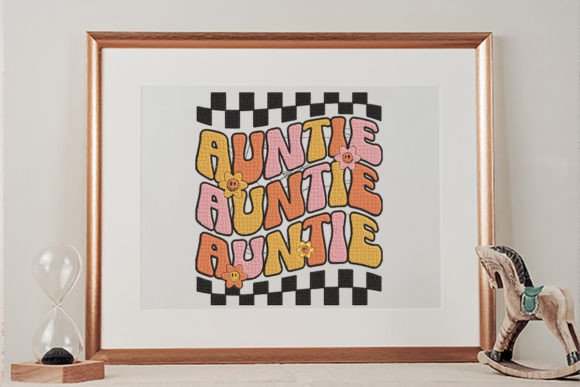
The immediate appeal of Auntie Embroidery lies in its balance. It sits comfortably within the Family Quotes category but avoids the trap of becoming a generic greeting card. The layout feels organic, suggesting a hand-drawn aesthetic that translates well into digital stitch paths. For a designer, the visual personality is key; it needs to speak to the end user before a single thread is pulled. This design exudes charm and nostalgia, making it an instant favorite for personalized gifts.
When evaluating the shape and detail level, I noticed the lines are bold enough to hold their structure even when scaled down slightly, yet they retain enough character to feel special. It doesn't rely on excessive fill stitch that can weigh down lightweight fabrics. Instead, it uses a mix of techniques that suggest a clean finish. If you are planning to use this as a tote bag design or a patch for a denim jacket, the visual weight is just right—it commands attention without overwhelming the garment.
Real-World Application: From Concept to Finished Product
To truly test the viability of Auntie Embroidery, I imagined a specific project: a set of high-quality linen kitchen towels for a holiday gift bundle. In this scenario, the design serves as the focal point. Imagine stitching this onto a cream-colored towel; the contrast would be striking, and the "Auntie" sentiment adds a layer of personal connection that mass-produced items lack. For an Etsy seller or a craft business owner, this kind of emotional resonance drives sales.
I also considered using this for custom apparel, specifically a sweatshirt embroidery project. Sweatshirts are tricky because the fabric texture can interfere with fine details. However, the design of Auntie Embroidery seems robust enough to handle the slight nap of fleece or cotton blends. The lettering appears legible, which is crucial for text-based designs. If you were creating a boutique product line for Mother's Day or a family reunion, this design offers a versatile foundation. It works equally well as a standalone statement on a pillow cover or as part of a larger embroidered patch collection.
For those selling digital product previews, this file is a strong asset. You can create compelling printable mockups that show the design on various backgrounds, helping potential buyers visualize the final result. Whether it's a baby item, a nursery decor piece, or a holiday gift, the versatility of the design allows it to fit multiple niches within the handmade market.
Stitching Clarity and Fabric Considerations
While the design looks promising, practical application requires careful thought about stitch density and fabric choice. If you plan to use Auntie Embroidery on thin or stretchy fabric, such as a jersey t-shirt, you must prioritize the right stabilizer. Without adequate support, the tension could cause puckering, ruining the clean lines of the text. Always test the design on scrap fabric first to ensure the running stitch and satin stitch elements lay flat.
Dark fabrics present another challenge. While the design has good contrast potential, you may need to adjust your thread colors to ensure readability. On black or navy garments, a bright white or pastel outline might be necessary to make the "Auntie" text pop. Conversely, on light fabrics, a soft gray or muted tone could enhance the vintage feel. Remember, the perceived value of a finished product often hinges on these subtle choices.
Where Caution is Advised
Not every project is a perfect match for every design. There are specific situations where Auntie Embroidery should be used with caution. First, avoid shrinking the design too much for very small hoop sizes. Tiny lettering can become illegible if the machine embroidery design is reduced beyond its optimal limit. Similarly, curved surfaces like caps require careful placement; the text might distort if not positioned correctly relative to the crown's curve.
Dense stitch areas can also be problematic on textured fabrics like wool or heavy canvas. If the stitch density is too high, the threads might not penetrate evenly, leading to gaps or uneven coverage. Additionally, products that undergo frequent washing, such as aprons or dish towels, need durable stitching. Ensure that the backing and thread quality are up to the task to maintain the design's integrity over time.
Professional Notes for Designers and Sellers
Before committing to a large production run or listing this as a commercial embroidery asset, verify the licensing terms. Many digital embroidery files have restrictions on selling finished goods versus selling the file itself. As a responsible maker, confirming these details protects your business and respects the original creator.
Also, consider the overall brand consistency. Does Auntie Embroidery align with the aesthetic of your small shop product line? If your brand focuses on modern minimalism, this design might need to be paired with complementary elements to fit seamlessly. Test it in black and white mockups to see if the silhouette holds up without color distraction. This step is vital for maintaining professionalism and buyer trust.
Finally, don't forget the human element. When customers receive a personalized gift featuring this design, they are buying into the sentiment as much as the craftsmanship. The care you take in selecting the right fabric, stabilizer, and thread colors directly impacts their experience. By treating Auntie Embroidery as a tool for storytelling rather than just a decoration, you elevate your work from a simple craft to a cherished keepsake.
Final Thoughts on Value and Versatility
In conclusion, Auntie Embroidery is a solid addition to any designer's library. It strikes a rare balance between charm and functionality, making it suitable for everything from holiday embroidery projects to everyday home decor. Its ability to adapt to different materials and applications makes it a valuable asset for creative entrepreneurs and hobbyists alike. Just remember to test thoroughly, choose your materials wisely, and always keep the end user in mind. With the right execution, this design can become a signature piece in your portfolio, driving engagement and building a loyal customer base.