Quilting Heart Embroidery Design Review
As I set up my table for the upcoming weekend craft fair, I am surrounded by stacks of unfinished goods: crisp white tea towels, sturdy canvas tote bags, and a pile of denim patches waiting to be transformed. My goal is simple: turn these raw materials into high-value handmade products that stop customers in their tracks. Today, I am putting the Quilting Heart Embroidery Design through its paces. This specific design falls under the Backgrounds category, which immediately tells me it is intended to fill space with texture rather than just sit as a small icon. For an Etsy seller or a booth owner looking to elevate their inventory, understanding how this machine embroidery design performs in the real world is critical before you commit hours of machine time.
First Impressions: Texture Meets Tradition
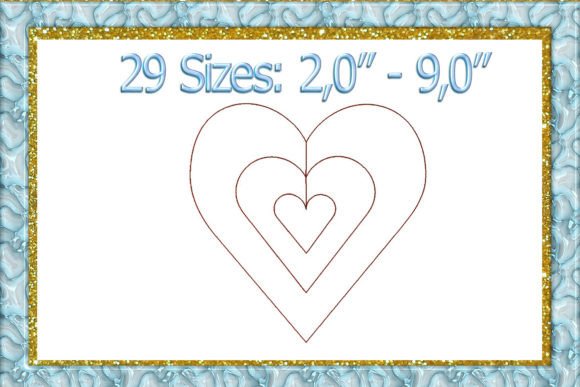
When I first loaded the digital embroidery file onto my screen, the aesthetic was instantly clear. The title suggests a blend of two powerful themes: the nostalgia of quilting and the universal appeal of the heart shape. The description mentions "stipple" and "stippling," which indicates a textured, dotted fill style often used to mimic hand-quilted fabric. This gives the design a rustic, farmhouse charm that feels both soft and premium. It is not a bold, neon pop; instead, it offers a subtle, tactile elegance that appeals to buyers looking for warmth and authenticity.
In the context of a busy market, where visual noise is high, this design stands out because it looks like craftsmanship. It does not scream for attention; it invites the customer to lean in and touch the stitches. For a boutique maker, this is a significant advantage. Customers are willing to pay more for items that feel handmade, and the stipple effect of the Quilting Heart Embroidery Design creates exactly that perception of artisanal quality.
Product Versatility: Where Does It Shine?
The true test of any embroidery file is its adaptability across different product lines. As I prepare my booth display, I am evaluating how this design translates from digital pixels to physical thread on various substrates.
- Tea Towels and Aprons: This is the natural home for this design. The "quilting" motif fits perfectly into kitchen decor. On a linen tea towel, the stipple texture adds depth without overwhelming the fabric. For an apron embroidery project, placing the heart in the pocket area or centered on the bib creates a focal point that feels curated rather than mass-produced.
- Tote Bags: A tote bag design needs to be durable and visible from a distance. The Quilting Heart Embroidery Design works well here, especially if used as a large background element on one side of the bag. However, because it is a background pattern, ensure the stitch density is balanced so the heavy canvas of the bag does not cause puckering.
- Patches and Caps: Creating an embroidered patch from this design is a great way to offer lower-priced impulse buys at your booth. The heart shape is universally recognizable, making it perfect for caps. Just remember that curved surfaces can distort the stipple pattern slightly, so testing is essential.
- Pillow Covers and Pouches: For home decor enthusiasts, this design elevates a simple pillow cover into a statement piece. On small fabric pouches, it serves as a beautiful accent that suggests the contents inside are precious gifts.
Production Reality: What to Watch Out For
While the design looks promising, moving from a computer screen to a finished product requires careful technical planning. As an experienced designer, I have learned that ignoring production details is the fastest way to ruin a batch of commercial embroidery products.
Stitch Density and Fabric Texture
The description highlights "stippling," which often involves a high volume of satin or fill stitches packed closely together. This creates a dense texture that can be problematic on thin fabrics. If you plan to use this on lightweight cotton for tea towels, you must use a strong stabilizer. Without it, the fabric will pucker around the heart, ruining the flat, professional look required for a craft fair product.
Additionally, consider the thread colors. Stippling relies heavily on contrast. If you use a dark thread on a dark fabric, the texture will disappear, and the heart will look like a muddy blob. For the best results, pair light threads with dark fabrics or vice versa. Always check the design assets to see if the file allows for easy color changes to match your current inventory palette.
Size and Clarity
One of the risks with background designs is scaling them too small. The intricate details of the stipple work may get lost if the design is reduced to fit a small cap logo or a tiny pouch. At smaller sizes, the individual dots might merge, losing the "quilting" illusion. I recommend keeping this design as a medium-to-large focal point. If you need a small accent, consider using only the outline of the heart and saving the full stipple version for larger items like aprons or pillow covers.
Selling Strategy: Maximizing Visual Appeal
For the small shop product owner, the goal is to create a cohesive brand identity. The Quilting Heart Embroidery Design offers a warm, inviting vibe that can unify your entire booth. When displayed correctly, these items tell a story of comfort and home.
To maximize buyer engagement, create a dedicated section of your table featuring items embroidered with this design. Use a printable mockup to visualize how the design looks on different colored fabrics before you even cut the material. This helps you curate a color story—perhaps a collection of sage green, cream, and navy blue—that makes your booth look intentional and high-end.
Photography is also key for online sales. The texture of the stipple stitches catches light beautifully. When taking photos for your Etsy listings, use natural light to highlight the raised texture of the thread. Close-up shots that show the detail of the "quilting" effect can significantly increase perceived value, convincing customers that they are buying a premium item worth the price.
Designer Checklist Before Production
Before you run a full batch of these items for the weekend market, follow this practical checklist to ensure success:
- Test on Scrap Fabric: Never skip this step. Run the Quilting Heart Embroidery Design on the exact fabric and stabilizer combination you plan to use. Check for puckering, skipped stitches, or thread breakage.
- Confirm Hoop Size: Ensure the design fits within your hoop without needing to re-hoop mid-stitch, which can misalign the pattern. Verify the dimensions against your product size.
- Check File Formats: The product description notes that "The following 9 formats are included in the file you will receive." While this is excellent for compatibility, double-check that your specific embroidery machine supports the format you intend to use. Having multiple formats ensures you can switch machines if necessary.
- Review Licensing: Confirm your commercial licensing rights. Since you are selling finished goods, ensure the license permits the creation of commercial embroidery products for resale. Do not assume unlimited rights just because you bought the file.
- Create a Real Mockup: Produce at least one sample of each product type (towel, bag, patch) to evaluate the final look. This sample becomes your primary photo for marketing.
Final Verdict
The Quilting Heart Embroidery Design is a versatile and charming addition to any embroidery business portfolio. Its ability to evoke a sense of tradition while maintaining a modern, textural appeal makes it ideal for the current handmade market. Whether you are creating tea towel embroidery for kitchen lovers or patches for fashion-forward shoppers, this design has the potential to become a bestseller.
However, its success depends entirely on execution. Pay close attention to stabilizer choice, thread contrast, and sizing. By treating this machine embroidery design with the care it deserves, you can transform simple fabric into a finished product that resonates with customers and drives sales at your next craft fair. It is not just a pattern; it is a tool to build your brand's reputation for quality and thoughtfulness.