Lighthouse Sea Side Embroidery Design Review
As a designer who has spent years testing machine embroidery designs for both personal craft projects and commercial client work, I approach every new file with a critical eye. The market is flooded with generic patterns, but occasionally you find a design that actually understands the medium. When I first opened the Lighthouse Sea Side Embroidery file to evaluate it for an upcoming summer collection, my goal was simple: determine if this digital asset could translate into a high-quality finished product or if it would result in frustration on the hoop.
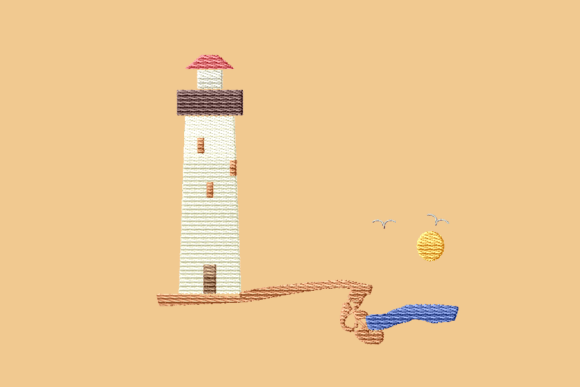
The initial impression of the Lighthouse Sea Side Embroidery is one of classic coastal charm. It captures the essence of the Beach theme without relying on clichéd clip art styles. The layout feels balanced, suggesting that the creator understood how thread interacts with fabric tension. However, seeing a design on a screen is vastly different from watching it stitch out. My review focuses on how this specific embroidery file performs when moved from the computer to the machine, specifically for those of us running small shops or creating personalized gifts.
Visual Impact and Design Personality
Before loading the machine, I analyzed the visual structure of the Lighthouse Sea Side Embroidery. The design features intricate patterns that promise vibrant colors, which is exactly what we want for seasonal merchandise. The lighthouse itself serves as a strong focal point, while the surrounding sea elements add movement. This balance is crucial for custom apparel because it ensures the design doesn't look cluttered even at smaller scales.
For an Etsy seller or boutique owner, the "personality" of a design dictates its sales potential. This particular piece feels timeless rather than trendy. It suggests quality craftsmanship. If you are planning to use this for a tote bag design or a canvas apron, the bold lines of the lighthouse will likely hold up well against the weave of heavy cotton. The description promises to take crafting to the next level, and visually, the composition supports that claim by offering enough detail to be interesting without becoming a dense mess of threads.
Real-World Application: A Summer Tote Bag Project
To truly test the Lighthouse Sea Side Embroidery, I imagined a real-life scenario: preparing a limited run of organic cotton tote bags for a local beach shop. These bags need to withstand frequent washing and handling, so the stitching must be durable. In this context, the design's structure becomes the most important factor.
When visualizing the sweatshirt embroidery or tote bag application, I noted that the fill stitch areas appear generous enough to prevent fabric puckering, provided the correct stabilizer is used. The interplay between the satin stitch borders and the fill stitch centers creates depth. For a handmade product like a pillow cover or a kitchen towel, this texture adds a tactile element that customers appreciate. They can feel the difference between a cheap print and a true machine embroidery design.
However, the placement matters. On a curved surface like a cap, the base of the lighthouse might require careful alignment to avoid distortion. For flat surfaces like a tea towel or a baby onesie, the design sits comfortably. If you are creating a personalized gift, such as a nursery blanket for a seaside-themed room, the softness of the color palette implied by the design makes it suitable for delicate fabrics, assuming the stitch density isn't too aggressive.
Critical Considerations for Fabric and Hoop Size
While the Lighthouse Sea Side Embroidery looks promising, there are specific situations where caution is required. As a reviewer, I always advise against using complex coastal scenes on thin or highly stretchy fabrics without extensive stabilization. The intricate details mentioned in the product description mean that if the fabric shifts during stitching, the final image could warp.
Here are the key areas where you must exercise judgment:
- Small Hoop Sizes: If you attempt to fit this design into a 4x4 hoop, the intricate patterns may lose definition. Always check the recommended hoop size before purchasing the digital embroidery file.
- Textured Fabrics: Heavy denim or thick wool can interfere with the fine details of the sea waves. Test the design on scrap fabric first to see how the stitch density interacts with the material.
- Dark Backgrounds: While the design uses vibrant colors, some lighter shades might get lost on black or navy fabric. You may need to adjust the thread colors or add a backing layer to ensure visibility.
- Frequent Washing: For items like aprons or towels that go through the wash often, ensure the fill stitch is tight enough to resist fraying over time.
Professional Execution and Business Value
For creative entrepreneurs and small business owners, the value of a design lies in its ability to build brand consistency and customer trust. Using a high-quality commercial embroidery asset like the Lighthouse Sea Side Embroidery signals professionalism. Customers buying a small shop product expect precision. If the design stitches cleanly with no bird nesting or skipped stitches, your reputation grows.
When preparing printable mockups for your online store, this design offers excellent visual appeal. The contrast between the lighthouse and the sea elements creates a striking image that stands out in social media feeds. However, remember that a beautiful mockup means nothing if the physical finished product disappoints. Always create a physical sample first.
From a licensing perspective, ensure you have the rights to sell finished goods. Many designers purchase files for personal use only. If you plan to use this for custom apparel sold on Etsy or at craft fairs, verify the license terms. Using a design without proper permission can jeopardize your entire business.
Practical Designer Notes for Success
To get the best results from the Lighthouse Sea Side Embroidery, follow these practical steps based on my experience:
- Test on Scrap Fabric: Never skip this step. Stitch the design on the exact fabric you intend to use to check for tension issues.
- Check Thread Contrast: Ensure the thread colors pop against your background. Sometimes a slight adjustment in hue makes a massive difference in perceived quality.
- Use Proper Stabilizer: For this type of detailed design, a cut-away stabilizer is often better than tear-away, especially for stretchy garments like sweatshirts.
- Inspect Small Details: Look closely at the corners of the lighthouse and the wave tips. These areas are prone to pulling if the design is scaled down too much.
- Review in Black and White: Before committing to expensive thread, view the design in grayscale to ensure the tonal values work together.
In conclusion, the Lighthouse Sea Side Embroidery is a strong contender for your summer design assets. It offers the right mix of detail and durability for various applications, from embroidered patches to baby embroidery projects. By respecting the limitations of the medium and testing thoroughly, you can turn this digital file into a profitable and beautiful addition to your craft business. Whether you are making a holiday gift or stocking a boutique shelf, this design has the potential to elevate your work, provided you treat it with the professional care it deserves.