ITH Mini Bag Nurse Embroidery Designs Review
As a designer who has spent years navigating the intersection of digital art and physical stitching, I approach every new machine embroidery design with a critical eye. It is not enough for a file to stitch out without errors; it must translate into a finished product that feels intentional, durable, and marketable. Recently, I evaluated the ITH Mini Bag Nurse Embroidery Designs, a set of graphics categorized under Sewing Patterns that promises to turn simple fabric scraps into functional accessories like chapstick holders, tissue pouches, and even poo bag holders. My goal was to determine if this design holds up under the scrutiny of a real-world craft business or if it falls short when moving from screen to hoop.
First Impressions: Theme and Visual Personality
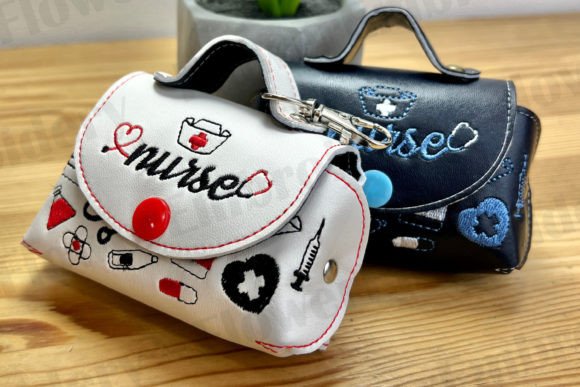
When I first opened the digital preview of the ITH Mini Bag Nurse Embroidery Designs, the immediate mood struck me as both professional and playful. The theme centers on the nursing profession, a demographic that constantly seeks personalized gear and meaningful gifts. The layout is clean, avoiding the cluttered aesthetic that plagues many generic embroidery files. The visual personality relies heavily on recognizable medical symbols and text, executed in a way that suggests high contrast and clarity. For an Etsy seller or small shop owner looking to expand their inventory of healthcare-themed items, this design offers a distinct advantage: it looks cohesive before a single thread is cut.
The shape of the design elements is optimized for the specific application mentioned in the description: an In-The-Hoop (ITH) mini bag. Unlike a standard patch that requires cutting and ironing, these designs are engineered to be stitched directly onto the fabric layers that form the bag itself. This integration means the stitch density and hoop size are likely calculated to accommodate the structural seams of the pouch. The detail level strikes a balance between intricate enough to look premium and simple enough to stitch quickly on a home machine.
Real-World Application: From File to Finished Product
To truly test the viability of this machine embroidery design, I imagined a specific scenario: preparing a batch of custom tote bags and mini pouches for a local hospital fundraiser. In this context, the ITH Mini Bag Nurse Embroidery Designs would serve as the centerpiece of the merchandise. I visualized the process of loading the embroidery file into my machine, securing the stabilizer, and watching the needle dance across the fabric.
In a commercial setting, consistency is key. If I were producing fifty of these mini bags, I need to know that the satin stitch edges will remain crisp and the fill stitch areas won't pucker after repeated washing. Based on the provided tutorial and the nature of ITH projects, the design appears to guide the user through layering fabric within the hoop. This method ensures that the final finished product has no raw edges, a significant selling point for boutique branding. The design fits perfectly into the category of custom apparel accessories, transforming a simple piece of cotton into a branded item that nurses can carry in their scrubs pockets.
I also considered how this might work for holiday embroidery or wedding gifts. A mini bag holding tissues or lip balm is a practical gift, but the embroidery elevates it from a utility item to a keepsake. The thread colors suggested by the design's structure allow for easy customization. For instance, using teal and white thread against a navy background creates a classic medical aesthetic, while switching to pink and gold could target a different segment of the market. The versatility of the Graphics included makes them valuable design assets for any creative entrepreneur.
Navigating Technical Challenges and Fabric Choices
While the potential is high, experienced designers know that every project has its pitfalls. The product description notes that these sizes are suitable for 7 x 10 inch hoops. This is a crucial detail. If you attempt to use a smaller hoop, you risk distorting the design or running out of room for the necessary backstitching that secures the ITH structure. Conversely, using a larger hoop might leave too much empty space, causing the fabric to shift during stitching.
Fabric texture plays a massive role in the success of the ITH Mini Bag Nurse Embroidery Designs. I strongly advise against using thin, stretchy fabrics like jersey knit for the main body of the bag unless you are extremely experienced with tension adjustments. The weight of the embroidery combined with the stretching of the fabric can lead to puckering, ruining the professional look of the handmade product. Instead, opt for medium-weight cottons, canvas, or denim. These materials provide the stability needed to support the stitch density without warping.
Another area requiring caution is the use of dark fabrics. While the design looks great in black and white mockups, the actual thread coverage on a dark background demands higher stitch density to prevent the fabric color from showing through. You may need to add an underlay or a second pass of fill stitch to ensure the visual appeal remains vibrant. Additionally, if you plan to sell these as personalized gifts, always check the running stitch quality around the perimeter. On textured fabrics, these stitches can sometimes snag, leading to loose threads that diminish the perceived value of the item.
Strategic Advice for Craft Business Owners
For those looking to incorporate the ITH Mini Bag Nurse Embroidery Designs into their business workflow, there are several steps to ensure success. First, never skip the test run. Stitch the design on a scrap of the exact fabric and stabilizer you intend to use for your final products. This allows you to check the hoop size fit and verify that the applique design elements (if any) are properly secured.
Secondly, review the licensing terms carefully. As a digital product seller, you must confirm whether the license allows you to sell the finished product or if it is restricted to personal use. Many digital embroidery files have specific clauses regarding commercial sales. Assuming you have the right to sell, consider creating printable mockups to showcase the designs on your website or Etsy listings. High-quality images of the embroidered patch style bags can significantly boost buyer engagement and trust.
Finally, think about the customer experience. A nurse receiving a mini bag with her name or title embroidered needs to feel that the item was made with care. The ITH Mini Bag Nurse Embroidery Designs facilitates this by providing a structured path to a polished result. However, the final touch depends on your attention to detail. Trim all loose threads, press the finished item gently, and ensure the zipper (if included in your version of the bag) functions smoothly over the embroidered area.
Final Verdict on Design Utility
In conclusion, the ITH Mini Bag Nurse Embroidery Designs represents a solid opportunity for designers and makers to create high-value, functional goods. It bridges the gap between a simple sewing pattern and a sophisticated commercial embroidery project. The inclusion of a detailed step-by-step tutorial with photos is a significant plus, reducing the learning curve for hobbyists while offering efficiency for professionals.
This design excels in creating small shop products that stand out due to their utility and thematic relevance. Whether used for a baby shower favor, a retirement gift for a head nurse, or a staple in a craft fair booth, the design holds its own. Just remember to respect the technical requirements: use the correct hoop size, choose stable fabrics, and always test your settings. With these precautions, the ITH Mini Bag Nurse Embroidery Designs can become a reliable revenue stream and a source of pride for any maker dedicated to quality embroidery projects.