Embroidery Folk Ethnic Geometric Pattern Review
As a professional embroidery designer who has spent years translating digital concepts into tangible thread on fabric, I approach every new design with a critical eye. When I first opened the file for Embroidery Folk Ethnic Geometric Pattern, my immediate reaction was one of cautious optimism. The title promises a vibrant fusion of traditional motifs and modern structure, but in the world of commercial embroidery, promise must always be backed by performance. For small business owners, boutique decorators, and Etsy sellers looking to elevate their brand identity, this specific pattern offers a unique opportunity to stand out, provided it is applied with strategic intent.
First Impressions: Visual Personality and Brand Fit
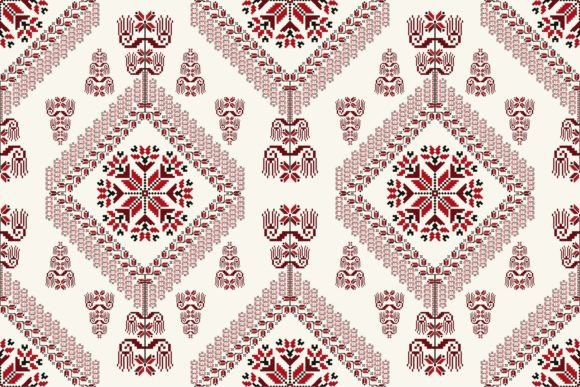
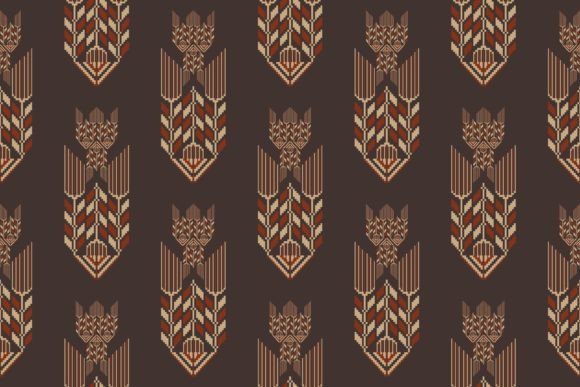
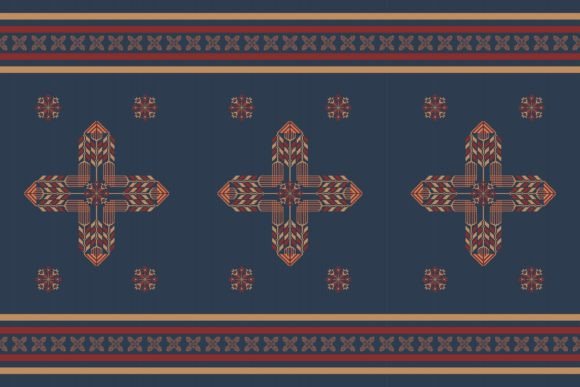
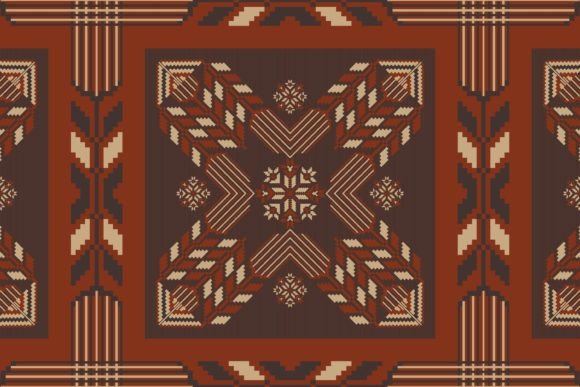
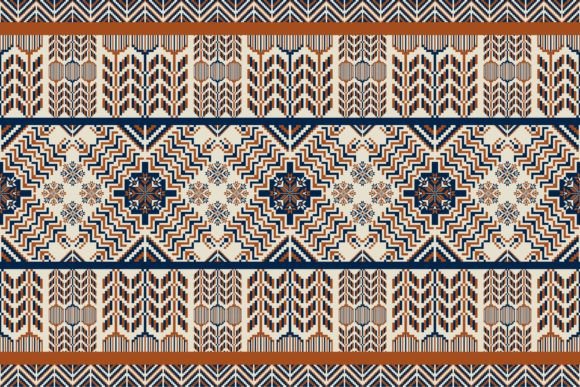
The initial visual impact of Embroidery Folk Ethnic Geometric Pattern is undeniably bold and rustic. Unlike minimalist logos that rely on negative space, this design embraces complexity through its colorful ethnic geometric shapes. It feels handmade yet structured, evoking a sense of heritage and craftsmanship. This makes it an excellent candidate for brands that want to communicate authenticity, warmth, and artisanal quality. Whether you run a local bakery, a creative studio, or a handmade clothing line, the intricate details of this machine embroidery design can instantly signal to customers that your products are created with care.
However, the "colorful" aspect mentioned in the description requires careful management. In a corporate uniform setting, too much color can appear chaotic. Yet, for a boutique selling tote bags or a florist creating branded aprons, these vivid hues can become a signature element of your brand identity. The seamless nature of the pattern allows for flexibility, meaning it can be scaled or repeated without losing its structural integrity, which is a significant advantage when planning small business merch.
Real-World Applications for Small Businesses
When evaluating how Embroidery Folk Ethnic Geometric Pattern performs in real-world scenarios, the versatility of the design becomes apparent. Here is how I see this digital embroidery file functioning across various product categories:
- Embroidered Patches: This is perhaps the strongest use case. The geometric shapes hold up well when cut as individual patches. A coffee shop could use a circular version of this pattern on staff aprons, creating a cohesive look that feels more premium than a screen-printed logo. The texture of the thread adds depth that flat printing cannot achieve.
- Cap Embroidery: Placing a simplified segment of this pattern on the front of a baseball cap creates an instant statement piece. For outdoor brands or event merch, this works beautifully. However, because caps have curved surfaces, the density of the geometric lines must be monitored to prevent puckering.
- Tote Bag Design: Large-scale application on canvas totes allows the full spectrum of the ethnic colors to shine. As a promotional item or a retail product, a tote bag featuring this pattern serves as a walking billboard for your business, enhancing customer engagement and recognition.
- Product Packaging Accents: Beyond apparel, consider using this as a label on gift boxes or as a decorative element on wrapping paper for a high-end textile brand. The Graphics category fits here perfectly, bridging the gap between physical merchandise and packaging aesthetics.
Strategic Considerations and Potential Pitfalls
While the potential is high, experienced designers know that not every design works everywhere. There are specific areas where Embroidery Folk Ethnic Geometric Pattern requires caution. The intricate nature of ethnic geometric shapes means that if you attempt to shrink the design too much for a tiny patch or a cuff detail, the stitch definition may blur. The human eye needs space to distinguish the shapes; otherwise, the result looks like a muddy blob rather than a crisp pattern.
Another critical factor is stitch density. Complex patterns often require higher stitch counts to fill the geometric voids. If you are embroidering this on lightweight fabrics like silk or thin cotton blends used for summer shirts, the weight of the thread could distort the material. Similarly, on dark uniforms, the bright colors might show through less effectively unless a proper backing stabilizer is used. Always test on the actual fabric intended for production to ensure the final look matches the digital preview.
Impact on Brand Identity and Customer Trust
In the crowded marketplace of handmade goods and custom apparel, consistency is key. Using a distinctive asset like Embroidery Folk Ethnic Geometric Pattern helps build visual consistency across your product line. When a customer sees the same geometric motif on your website mockups, your social media posts, and finally on the finished product they hold in their hands, trust is established. It signals professionalism and attention to detail.
Furthermore, the perceived value of a product increases significantly when it features high-quality embroidery. A simple cotton shirt becomes a premium item when adorned with a well-executed ethnic pattern. This perception of value allows small businesses to justify higher price points and fosters a deeper emotional connection with buyers who appreciate the artistry involved in commercial embroidery.
Practical Designer Notes for Production
Before committing to a bulk order or launching a new collection with this design, follow these essential steps to ensure success:
- Test in Black and White First: Remove the color data temporarily to check the flow of the lines and the balance of the composition. Ensure the geometric shapes do not overlap in a way that causes thread bunching.
- Verify Hoop Size Compatibility: Confirm that the entire pattern fits within your machine's hoop dimensions. If the design is meant to be seamless, ensure you have enough room to align multiple hoops without visible gaps.
- Check Thread Color Contrast: While the pattern is described as colorful, ensure there is sufficient contrast between adjacent shapes so they remain distinct after washing.
- Select the Right Stabilizer: For dense geometric patterns, a tear-away or cut-away stabilizer is crucial to support the fabric and prevent distortion during stitching.
- Create a Printable Mockup: Before sending the file to production, generate a realistic mockup on your target items (caps, aprons, etc.) to get client approval or internal sign-off.
- Confirm Licensing Terms: Always verify the commercial licensing for any embroidery file you purchase. Ensure you have the right to use Embroidery Folk Ethnic Geometric Pattern for unlimited sales of your merchandise.
Ultimately, Embroidery Folk Ethnic Geometric Pattern is a powerful tool for designers and business owners willing to put in the groundwork. It transforms standard merchandise into memorable brand assets. By respecting the limitations of the medium and leveraging the strengths of the design, you can create a cohesive, professional, and visually stunning line of products that resonates with your audience. Whether it is a single custom patch or a full range of branded apparel, this pattern has the potential to define your brand's aesthetic for years to come.